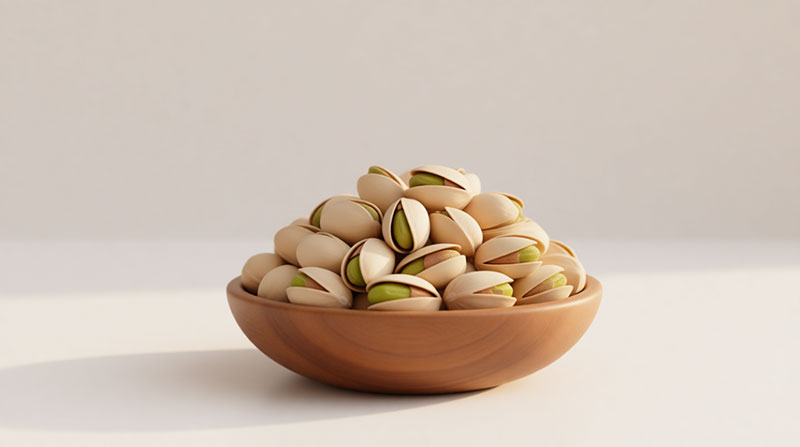
For importers and distributors in India seeking premium-quality nuts, Iranian pistachios stand out as a profitable and reliable choice. With centuries of cultivation heritage, Iran remains the world's leading producer of pistachios — particularly valued for their exceptional flavor, texture, and size. This guide explains how Indian businesses can confidently import Iranian pistachios, understand their varieties, manage logistics, and build lasting supplier relationships.
Why Iranian Pistachios Dominate the Global Market
The superiority of Iranian pistachios lies in both nature and tradition. Grown in Iran’s central plateau — where long, hot summers and cold winters create ideal growing conditions — these nuts develop higher oil content and a richer, more buttery taste. Combined with meticulous farming methods passed down through generations, Iranian pistachios have become a global benchmark for quality.
The Key Growing Regions in Iran
The heart of Iran’s pistachio production is Kerman Province, often called the “Pistachio Capital of the World.” Most exporters and processing facilities are located here, making it the center of the global pistachio trade.
- Rafsanjan: Known for its superior quality pistachios and home to many major exporters.
- Sirjan, Kerman City, and Zarand: Supporting production hubs maintaining high consistency and export-grade standards.
Popular Iranian Pistachio Varieties for Indian Importers
Understanding the main varieties helps you choose the right product for your market segment and price range.
- Kalehghouchi (Jumbo Round): Large, round, and buttery — ideal for luxury retail and gifting.
- Akbari (Long & Large): Elegant, elongated nuts often commanding the highest prices.
- Ahmad Aghaei (Long & Jumbo): Consistent size and color, highly popular among Indian wholesalers.
- Fandoghi (Round & Small): Compact, flavorful, and affordable — perfect for bulk processing and mass markets.
Grading and Quality Standards
Iranian pistachios are graded based on size (nuts per ounce), shell opening percentage, and uniformity. Exporters also test for aflatoxin and moisture to meet international food safety requirements, including India’s FSSAI standards and the European Union’s regulations.
How to Import Pistachios from Iran to India
To ensure smooth trade operations, follow these structured steps:
- Define Your Requirements: Select variety, grade, and quantity based on your target customers.
- Find Reliable Exporters: Look for certified Iranian suppliers with verified export experience.
- Request Product Samples: Evaluate aroma, flavor, and appearance before committing to bulk orders.
- Negotiate Commercial Terms: Confirm price per metric ton, Incoterms (e.g., CIF Mumbai, FOB Bandar Abbas), and payment method (TT or LC).
- Check Documentation: Ensure your exporter provides:
- Certificate of Origin
- Phytosanitary Certificate
- Commercial Invoice & Packing List
- Quality Inspection Report
Logistics and Shipment Options
For bulk orders, sea freight from Bandar Abbas to Indian ports like Mumbai or Nhava Sheva offers cost efficiency. Air freight may be considered for smaller, high-value consignments. Many Iranian exporters are already familiar with Indian customs and documentation requirements, simplifying the process for first-time importers.
Market Trends and Price Insights
The global demand for pistachios continues to rise due to increasing health-conscious consumers and premium snack trends. Prices vary between $6 to $12 per kg depending on grade and harvest conditions. Long-term supplier relationships can help Indian importers maintain stable pricing and consistent quality throughout the year.
Best Practices for Building a Sustainable Trade Partnership
- Start with a Pilot Shipment: Import a smaller load to evaluate logistics, customs, and demand response.
- Visit Your Supplier: Meeting in person builds trust and ensures transparency in operations.
- Focus on Quality Control: Regular lab tests and visual inspections protect your brand reputation.
- Develop Long-Term Agreements: Secure favorable pricing and consistent supply with annual contracts.
Conclusion: Strengthening Iran–India Trade Through Premium Pistachios
Importing Iranian pistachios into India offers a high-value business opportunity rooted in authenticity, flavor, and global demand. By working with reliable exporters and maintaining strict quality standards, Indian traders can expand their portfolios while strengthening cross-border trade between the two nations.
Looking to start your import journey? Contact us to access verified Iranian exporters and receive certified samples of Rafsanjan pistachios tailored for the Indian market.