The Sweet Business of Trade: Why Importing Iranian Dates to India Makes Sense
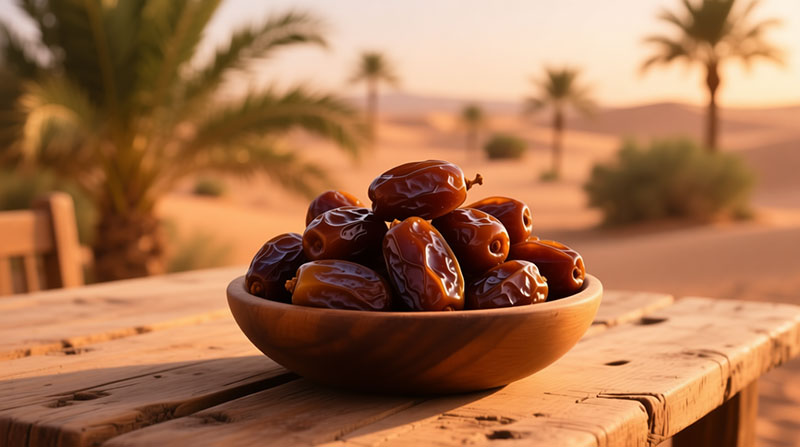
Iran’s date palms have fed civilizations for centuries, producing one of the most versatile and profitable fruits in international trade. For Indian importers, wholesalers, and distributors, importing dates from Iran isn’t merely about supply—it’s about tapping into a health-conscious, growing market eager for natural sweeteners and traditional foods. With India’s expanding demand for quality dry fruits and Iran’s agricultural excellence, the Iran–India date trade presents an opportunity of rare balance between heritage and profitability.
Why Iranian Dates Are in High Demand
Iran ranks among the top global producers and exporters of dates, known for its ideal geography and meticulous cultivation. The southern provinces of Bam, Hormozgan, Kerman, and Khuzestan provide the perfect combination of heat, sunlight, and low humidity—conditions that give Iranian dates their signature sweetness, moisture balance, and long shelf life.
In the Indian market, where taste, texture, and freshness define customer loyalty, Iranian dates outperform many regional competitors. Their versatility—ranging from luxury gift boxes to bulk ingredient supply—makes them attractive across B2B segments, from food distributors to modern retail chains.
Top Iranian Date Varieties for Indian Importers
Each variety offers distinct taste, texture, and commercial potential. Understanding the differences will help you choose the right products for your target customers.
Mazafati Dates (Soft & Fresh)
Known as the “black gold of Bam,” Mazafati dates are moist, dark, and richly flavored. Their natural sweetness and soft texture make them a favorite in India, especially during festive seasons like Ramadan and Diwali. They require refrigerated storage and are best suited for high-turnover retail and fresh food chains.
Piarom Dates (Semi-Dry, Premium)
Piarom dates are considered the most luxurious export variety. Their thin skin, caramel-like taste, and low moisture make them ideal for long-distance shipping. Popular among health-conscious consumers and gourmet stores, they are perfect for premium packaging and gift assortments.
Kabkab Dates (Soft & Sweet)
Large and syrupy, Kabkab dates are ideal for processing into pastes, syrups, and confectionery ingredients. Their natural sugar profile appeals to food industries looking for clean-label sweeteners and natural alternatives to refined sugar.
Zahedi Dates (Dry & Durable)
For bulk traders and ingredient suppliers, Zahedi dates are the most economical option. With firm texture and golden-brown color, they are perfect for industrial use, baking, and mass distribution.
Why Indian Importers Should Look to Iran
- Stable Supply Chain: Iran exports to over 100 countries and offers established routes via sea (Bandar Abbas to Mumbai or Nhava Sheva).
- Competitive Pricing: Favorable exchange rates and lower production costs make Iranian dates affordable without compromising quality.
- Cultural Alignment: Dates hold cultural and religious significance in both Iran and India, creating natural consumer trust and familiarity.
- Diverse Applications: From retail snacks to ingredient manufacturing, Iranian dates fit multiple business models.
How to Import Dates from Iran to India
Importing Iranian dates requires planning, trusted partnerships, and compliance with Indian import standards. Follow these key steps:
1. Choose Your Product Line
Identify whether you want to focus on fresh Mazafati dates for direct retail or dry varieties like Zahedi and Piarom for industrial supply chains.
2. Verify Suppliers
Source exporters through verified B2B platforms, trade fairs, or India–Iran trade associations. Prioritize suppliers with ISO, HACCP, or Phytosanitary certifications and transparent pricing policies.
3. Request Samples and Quality Reports
Evaluate texture, sweetness, and moisture content. Indian buyers often prefer dates with moderate sugar levels and natural taste. Consistency is key—insist on pre-shipment inspection.
4. Finalize Pricing and Logistics
Negotiate price per metric ton and agree on Incoterms (usually FOB Bandar Abbas). Choose reefer containers for Mazafati dates and dry containers for others. Air freight is an option for smaller, high-value orders.
5. Manage Documentation and Customs
- Commercial Invoice
- Packing List
- Certificate of Origin
- Phytosanitary Certificate
- FSSAI and Import Export Code (IEC) for clearance in India
Market Insights: Pricing & Profitability
Indian consumers are increasingly embracing dates as both a traditional and health-conscious product. Retail margins can reach up to 30–40% for premium packaged varieties. Prices vary seasonally, typically lower during harvest months (August–October). Partnering with a consistent supplier can stabilize your costs and supply chain.
Tips for Sustainable Growth
- Start with a pilot shipment to test logistics and customer response.
- Customize packaging for Indian markets—bilingual labeling and resealable packs are preferred.
- Collaborate with Iranian exporters who understand Indian trade norms and labeling standards.
- Attend trade events like the Iran Food + Hospitality Expo or IndusFood to network with certified suppliers.
Conclusion: Building a Profitable Iran–India Date Trade Partnership
Importing dates from Iran to India blends cultural harmony with commercial opportunity. Whether your focus is on premium Mazafati or bulk Zahedi, success lies in building trust with reliable Iranian exporters and maintaining consistent quality for your Indian consumers. As demand for natural and healthy foods continues to rise, Iranian dates can be the cornerstone of your next profitable trade venture.
Ready to start? Partner with certified Iranian date exporters today and bring authentic sweetness to the Indian market.