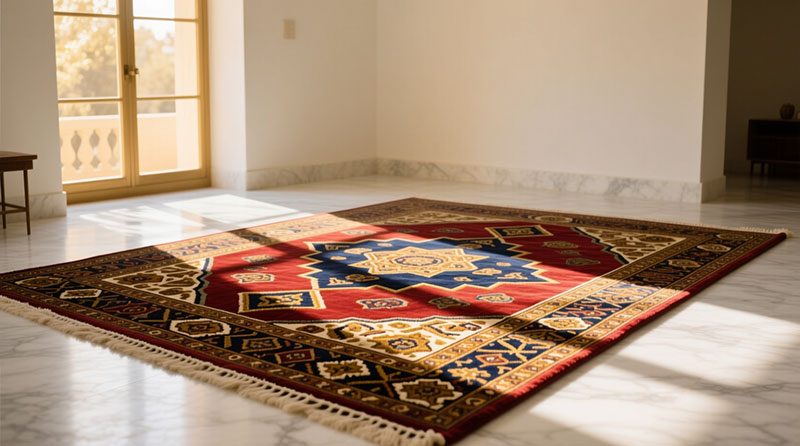
Persian carpets are more than decorative art—they are an investment in heritage, culture, and craftsmanship. For Indian importers seeking to diversify their luxury offerings or build a niche in handcrafted décor, sourcing authentic Persian carpets from Iran represents an unmatched opportunity. This guide explains how Indian businesses can import genuine Persian carpets directly from Iran, navigate the B2B process, and identify the best suppliers for sustainable trade.
Why Persian Carpets Are Ideal for the Indian Market
India’s rising demand for luxury home décor and premium textiles makes Persian carpets a perfect fit. They blend timeless design with the growing consumer appetite for authenticity. Whether for high-end interior projects, boutique retail, or hotel chains, these carpets offer both visual appeal and cultural depth.
- Artistic Heritage: With over 2,500 years of weaving tradition, Persian carpets carry a cultural prestige unmatched in global textile history.
- Handcrafted Quality: Each handmade carpet is a unique piece woven by skilled artisans, often taking months to complete.
- Natural Materials: Made from wool, silk, and natural dyes, Persian carpets develop a rich patina over time that synthetic materials cannot replicate.
Key Weaving Regions in Iran
Different Iranian cities are known for unique carpet styles. Understanding their regional distinctions helps Indian buyers curate collections tailored to customer preferences.
- Tabriz: Intricate medallion patterns, high knot density, and exceptional craftsmanship.
- Isfahan: Luxurious silk highlights, curved motifs, and refined elegance suited for high-end interiors.
- Kashan: Rich crimson tones and iconic central medallions, ideal for traditional Indian luxury décor.
- Qom: Famous for fine silk carpets, often small in size but incredibly detailed and luminous.
- Mashhad: Known for large-scale rugs with deep burgundy tones—perfect for hotels or villas.
Choosing Between Handmade and Machine-Made Carpets
The choice depends on your target market and business model:
- Handmade Carpets: Premium, collectible, and ideal for boutiques and design studios. Higher profit margins but require greater investment.
- Machine-Made Carpets: Affordable, consistent in design, and great for large-volume importers or retailers.
Import Process: From Iran to India
Importing carpets from Iran to India involves a few strategic steps. Indian businesses should work only with verified exporters familiar with Indian import regulations.
- Identify Reliable Exporters: Use trade directories, B2B platforms, or referrals to connect with licensed Iranian carpet exporters.
- Verify Authenticity: Request photos, material details, knot density (KPSI), and certificates of origin.
- Negotiate Terms: Discuss Incoterms (FOB Bandar Abbas or CIF Mumbai), payment through L/C, and insurance coverage.
- Manage Documentation: Ensure proper invoices, packing lists, certificates of origin, and bills of lading are included.
- Customs and Duties: Work with an experienced customs broker familiar with textile imports from Iran to India.
Pricing Insights and Market Trends
Persian carpet prices vary widely based on materials, size, age, and craftsmanship. Handmade silk carpets from Isfahan or Qom can reach premium price points, while wool-based Kashan or Tabriz rugs offer a balance between quality and affordability. Indian consumers, especially in metro cities, increasingly view authentic Persian rugs as long-term investments rather than luxury splurges.
Tips for Indian Importers
- Build direct relationships with Iranian exporters to ensure transparency and better pricing.
- Request marine insurance for all shipments due to the high value of goods.
- Start small—order sample collections to test demand before scaling up.
- Educate your customers about the cultural and artistic value of Persian carpets to justify premium pricing.
Authenticity Checklist
To avoid counterfeits and maintain credibility, check for these features:
- Fringe integrated into the weave (not stitched on).
- Visible and clear pattern on the back of the rug.
- Slight asymmetry or irregularities indicating handmade craftsmanship.
Conclusion: A Timeless Bridge Between Iran and India
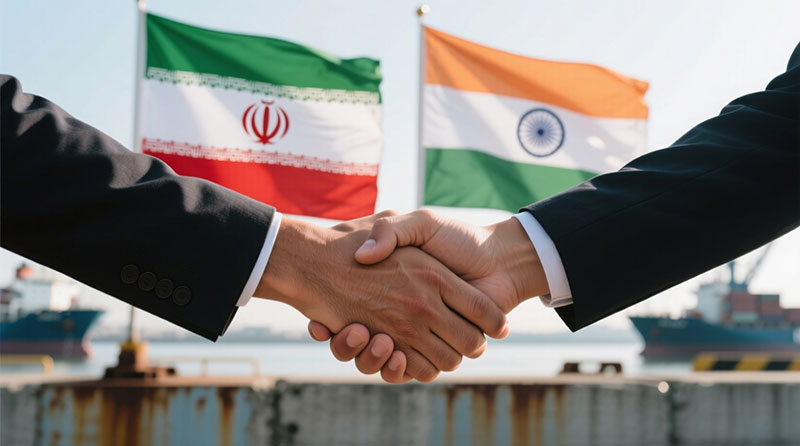
Importing Persian carpets isn’t just a business transaction—it’s a cultural exchange. By partnering with trusted Iranian exporters, Indian traders bring centuries of art and heritage into modern homes and businesses. Start your journey today by connecting with verified carpet suppliers in Iran and weaving this legacy into your trade portfolio.